





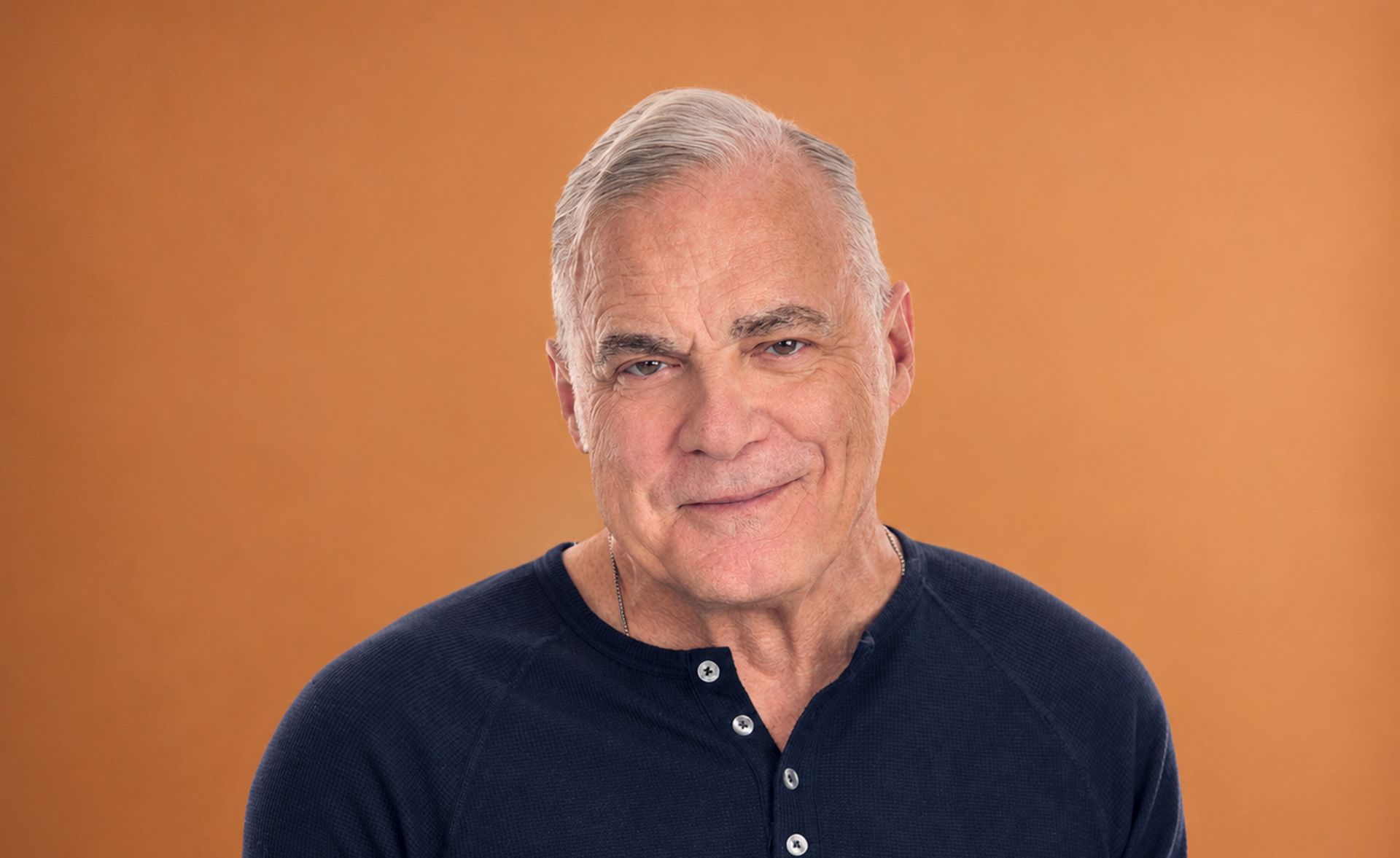
The future of healthcare starts with the consumer: A conversation with Mark Bertolini

Editor's note: This interview has been summarized and edited for length and clarity.
In a wide-ranging conversation with Lifers host Christina Farr, Oscar Health CEO Mark Bertolini shares his perspective on why the U.S. healthcare system no longer reflects the way Americans live and work today. From the changing nature of employment to rising healthcare costs, price transparency, and the promise of ICHRA, Bertolini outlines the structural changes he believes are necessary to build a more consumer-centered healthcare system.
You can watch the full conversation in the video below, or read our summary of the key discussion themes beneath it.
Why the workforce has changed, but healthcare hasn't
Q: The employer-employee relationship looks very different today than it did decades ago. Why is our healthcare system still built around that older model?
A: Employer-sponsored health insurance was created more than 80 years ago, during World War II, when employers couldn't compete for workers by raising wages because of wage controls. Instead, they offered benefits, and health insurance became one of the most valuable.
That system made sense for a workforce where people often stayed with one employer for decades. Today's workforce is very different. People change jobs far more frequently, but we've continued to build healthcare around a model that assumes long-term employment with a single company.
Why healthcare costs keep rising
Q: What's fundamentally driving healthcare costs higher?
A: One of the biggest challenges is that every participant in healthcare operates under a different economic model.
Physicians are largely focused on generating enough cash flow to sustain their practices. Hospitals operate on a revenue model and are incentivized to grow market share and increase utilization. Health insurers, pharmacy benefit managers, and many other organizations operate on margin-based business models.
When every participant is working toward different financial objectives, the system naturally becomes inflationary.
Q: So who is actually incentivized to lower healthcare costs?
A: Patients ultimately bear the consequences, but they rarely have visibility into the true cost of care before they receive it.
The "original sin" of healthcare
Q: You've described healthcare's original sin as confusing financing with investment. What do you mean by that?
A: We've built a system where financing comes first and decision-making comes second.
In almost every other major purchase, consumers decide what they want, understand what it costs, and then determine how they'll pay for it.
Healthcare works in reverse. Most people receive care without knowing the price, and because employers or insurers are paying much of the bill, patients often don't have meaningful opportunities to compare options or shop based on value.
That's fundamentally different from how healthy markets function.
Q: You often use the automobile industry as an analogy. Why?
A: Imagine buying a car where you only had to pay 20% of the purchase price. Most people would naturally choose a much more expensive vehicle because they're insulated from the full cost.
Healthcare operates in a similar way. When consumers don't have visibility into prices or meaningful opportunities to compare options, market forces that encourage competition and affordability simply don't work.
Creating greater transparency isn't about asking patients to become healthcare experts. It's about giving people the information they need to make informed decisions, just as they do in nearly every other market.
Why Oscar is betting on ICHRA
Q: You've said ICHRA has the potential to reshape employer-sponsored healthcare. Why are you so bullish on it?
A: ICHRA – the Individual Coverage Health Reimbursement Arrangement – gives employers a different way to provide health benefits. Instead of selecting one health plan for every employee, employers contribute a defined amount of money that employees can use to purchase the coverage that best fits their needs.
At its core, ICHRA shifts decision-making closer to the individual. Rather than asking employers to determine the right plan for every employee, it gives people more choice and greater ownership over their healthcare decisions.
While adoption is still in its early stages, I believe it represents one of the most promising opportunities to modernize employer-sponsored healthcare.
Q: What has slowed adoption so far?
A: The concept is strong, but the infrastructure around it is still evolving.
Congress created the framework for ICHRA, but many of the supporting regulations and tax policies still need to catch up. There are also state-by-state differences that make implementation more complicated than it should be.
We're already seeing progress. Several states are moving forward with legislation, and more policymakers are recognizing that employers need new tools to provide affordable, portable healthcare coverage.
Q: Beyond flexibility, why do you think portability matters?
A: Healthcare shouldn't have to restart every time someone changes jobs.
Today, changing employers often means changing health plans, provider networks, and care relationships. That creates unnecessary disruption for consumers and makes it harder for health plans to think beyond the short term.
If people can keep their coverage as they move throughout their careers, employers simply become the organizations funding their healthcare – not the organizations defining it.
That creates continuity for consumers and opens the door to investing in their health over the long term.
Making healthcare easier to shop for
Q: You've said healthcare needs to become more consumer-friendly. What does that look like in practice?
A: It starts with giving people better information before they receive care, not after.
Today's healthcare system makes it incredibly difficult to understand what something will cost or whether there are more affordable alternatives. We think consumers deserve better tools. That's why we've been building products that make healthcare easier to navigate, compare, and purchase.
Q: How does Lucie Health Marketplace fit into that vision?
A: Lucie Health Marketplace brings together health plans, supplemental coverage, and healthcare services into a single shopping experience.
The goal isn't simply to publish prices. It's to help people understand their options and make informed choices based on what's right for them.
Healthcare should feel more like other consumer experiences, where people can compare options before making an important financial decision.
Q: Oscar is also developing Oswell. What problem is it designed to solve?
A: Oswell is an AI-powered assistant intended to guide members through their healthcare journey. It can help people understand things like what services they need, what requires prior authorization, what their out-of-pocket costs are likely to be, and where they may have lower-cost options available.
Rather than asking members to navigate a fragmented system on their own, the goal is to provide guidance throughout the entire experience.
Q: Pharmacy costs are another area where consumers often struggle. How do you see technology helping there?
A: We want members to understand the choices available to them before they fill a prescription.
That means showing prices across pharmacies, identifying lower-cost alternatives when they're clinically appropriate, surfacing manufacturer savings programs when available, and helping members compare options.
The objective isn't simply transparency – it's curated pricing that helps people make confident, informed decisions about their care.
Why prevention works best when you can think long term
Q: You've talked about the importance of prevention throughout your career. Why is it so difficult for today's healthcare system to invest in it?
A: The biggest challenge is that people move between employers and often between health plans every few years. When a health plan expects to cover someone for only a short period of time, there's less incentive to invest in interventions that may not pay off for 10, 20, or 30 years.
A more portable healthcare model changes that dynamic. If people can maintain their coverage over time, health plans have a stronger incentive to invest in prevention, early intervention, and long-term health outcomes rather than simply managing illness as it occurs.
Q: What kinds of investments become possible when you have that longer-term relationship with members?
A: You can think much more holistically about a person's health journey. That includes supporting preventive care, chronic disease management, behavioral health, and programs tailored to different life stages. At Oscar, we're also exploring condition- and life-stage-specific experiences, like HelloMeno, to better support members through major health transitions.
The goal is to help people stay healthier for longer instead of just treating them when they become sick.
Why healthcare is ready for change
Q: Healthcare has resisted reform for decades. Why are you optimistic that meaningful change can happen now?
A: I don't believe healthcare will change overnight. Transformations like this rarely happen through one sweeping event. They happen gradually.
I think the first wave of change will come from small businesses and the middle market. Many employers are struggling to keep up with rising healthcare costs and are looking for new approaches that provide employees with greater flexibility while making benefits more sustainable.
As those models prove successful, broader adoption becomes much more likely.
Q: So you don't think one large employer has to make the first move?
A: Not necessarily. People often focus on when a Fortune 500 company will fundamentally change how it offers healthcare benefits. I think the bigger story is what happens when small and midsize employers begin adopting new models because they need a more sustainable path forward.
If those employers can offer affordable, portable coverage that gives employees more choice, it creates momentum for broader transformation across the healthcare system.
Q: When you look ahead, what gives you the most hope?
A: The foundation for change already exists.We're seeing new approaches to portability, better technology, greater transparency, and more consumer choice than we've had before. Meaningful reform won't happen because of one breakthrough. It will happen because a series of improvements begin reinforcing one another until the system reaches a tipping point.
That's what gives me optimism. The building blocks are already in place. Now it's about continuing to improve them and giving people a healthcare experience that's simpler, more transparent, and centered around their needs.
about oscar
Oscar Health is a healthcare technology company built on a full-stack platform with a relentless focus on member experience. Through Individual & Family plans, ICHRA solutions, +Oscar technology services, and Lucie Health Marketplace, Oscar makes high-quality, affordable care accessible for millions.
Media
Press & Communications
press@hioscar.comInvestors
Investor Relations
ir@hioscar.comread next
 Trends & InsightsFuture of Healthcare
May 15, 2026
A new era for consumer choice: Oscar’s CEO lays out his vision for the individual insurance market
Read more Policy & RegulationTrends & Insights1 more
April 16, 2026
Oscar applauds the introduction of Federal ICHRA Legislative Package
Read more Future of HealthcareTechnology & AI1 more
December 1, 2025
The individual market is the future of health insurance: Takeaways from the Axios Future of Health Summit
Read more